Owning A Second Home In Park City’s Old Town
May 14, 2026
May 14, 2026
If you want a second home that puts you steps from skiing, dining, and the energy of downtown Park City, Old Town is hard to ignore. It offers a very different experience from newer resort neighborhoods, with historic streets, compact homes, and a setting that feels woven into the hillside. If you are considering ownership here, it helps to understand not just the charm, but also the rules, rhythms, and tradeoffs that come with it. Let’s dive in.
Old Town is Park City’s historic core, centered on Main Street and the residential streets that climb the slopes above it. The city’s Main Street Area Plan treats Historic Main Street and Old Town as a focused planning district, with ongoing work aimed at preserving character, improving access, and balancing resident quality of life with economic vitality.
That planning context matters when you are buying a second home. Old Town is not just close to the action. It is part of the city’s identity, shaped by history, tourism, and daily local life in a way few neighborhoods can match.
One reason Old Town feels so distinct is its topography. Main Street sits at the base of a narrow V-shaped canyon, while the neighborhood rises up the hillsides above it. Historic development created a compact street pattern, with small lots, homes built close together, and very little open space.
For you as a second-home buyer, that means Old Town often delivers proximity and personality over space and separation. If your goal is a large yard, wide streets, and easy private parking, this area may feel constrained. If you value being able to walk into town and enjoy a true mountain downtown environment, that same layout can be a major advantage.
Old Town’s housing stock is part of its appeal. Park City says the city has more than 400 historic sites and two National Register historic districts, including the Main Street Historic District and the Mining Boom Era Residences Thematic District.
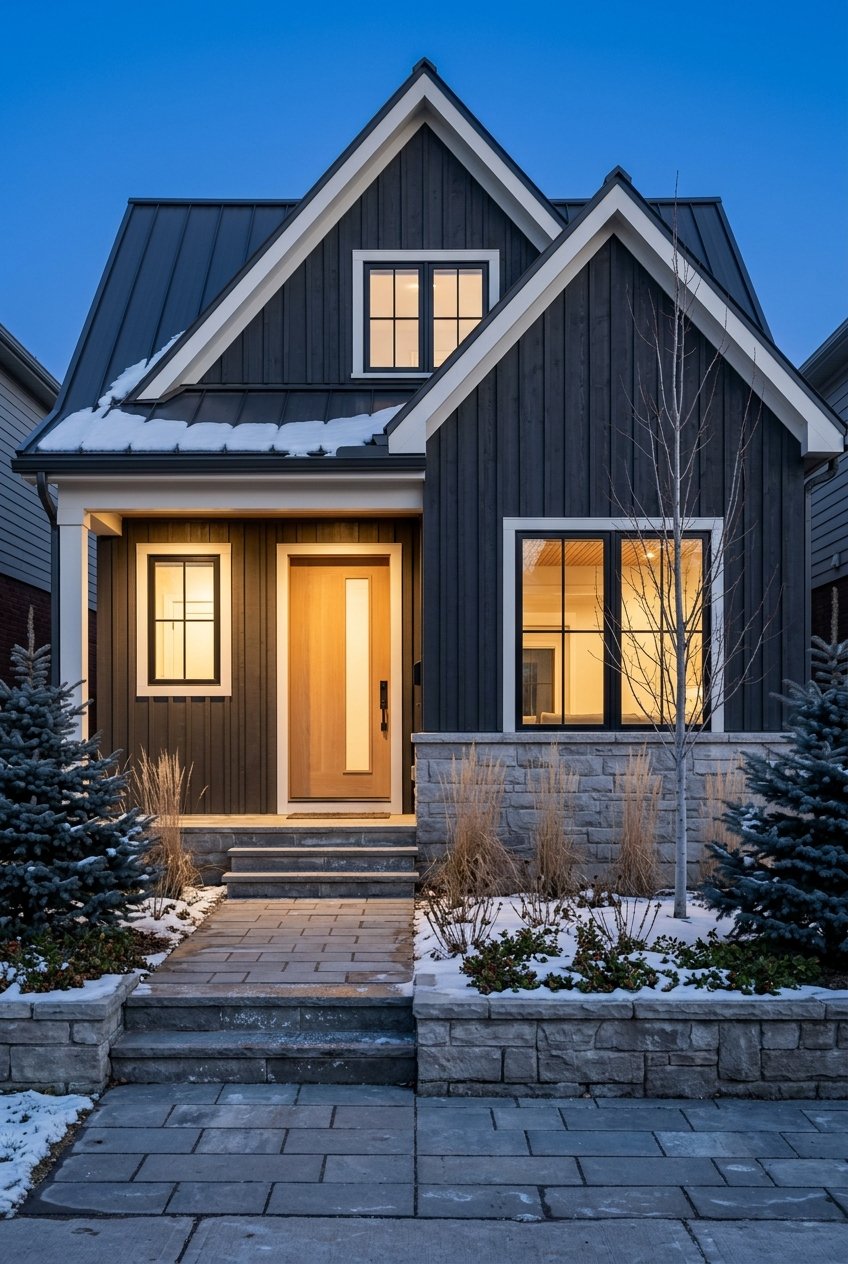
Many homes reflect early Park City building types. Common residential styles include L- and T-cottages, hall-parlor houses, gable-front homes, hipped-roof or pyramid houses, and later bungalows. In practical terms, you will often see homes with smaller footprints, simple forms, and details tied closely to the area’s mining-era past.
Historic charm comes with real responsibility. Park City updated its Historic District Design Guidelines in 2019, and the Planning Department reviews Historic District Design Review applications for compliance with those guidelines and the Land Management Code.
For buyers, this is one of the most important ownership considerations in Old Town. Exterior work is not something you approach casually. The city requires review before building permits are issued for rehabilitation, additions, new structures, and exterior work on properties in the historic districts.
That does not mean improvements are impossible. It means changes usually need more planning, more patience, and a clearer understanding of what is allowed. If you are comparing Old Town with a newer neighborhood, this can be a major difference in both timeline and decision-making.
Park City’s broader housing data helps explain why second-home ownership feels so natural here. The city’s 2021 Housing Needs Assessment found 7,041 vacant units citywide, and 6,750 of those, or 96%, were classified as seasonal or recreational. That does not mean every Old Town home is a second home, but it does show how strongly Park City functions as a part-time and vacation-oriented market.
Old Town fits especially well if you want a home base for weekends, ski trips, extended summer stays, or a flexible retreat you can use throughout the year. Park City Mountain notes that the town is about 35 miles from Salt Lake City, or roughly a 40 to 45 minute drive, which supports the ease of quick getaways and longer visits.
One of Old Town’s biggest lifestyle advantages is how easy it can be to get around without driving everywhere. Park City Transit is fare-free and serves the Old Town Transit Center. The historic trolley runs from the transit center to the top of Main Street, and the Richardson Flat Park-and-Ride connects riders to Main Street through the Old Town Express.
For a second-home owner, that can make ownership feel simple and enjoyable. You may be able to arrive, settle in, and spend much of your stay walking, riding transit, skiing, dining, and meeting friends without relying on a car for every outing.
Old Town has a strong connection to Park City Mountain. According to the resort, visitors can ski directly into historic downtown via the Town Runs, and Town Lift is the preferred starting point for people staying near Main Street.
That kind of access is a big reason buyers are drawn here. If your version of a second home includes morning ski laps, lunch on Main Street, and evenings spent downtown, Old Town offers a very compelling setup.
The same features that make Old Town lively can also make it more complex. The city manages paid parking in Old Town facilities and enforces residential parking restrictions, which means convenience is balanced by tighter parking flexibility than you would find in a more suburban setting.
Events also shape the ownership experience. Main Street activity can increase during the Dining Deck season, the Park Silly Sunday Market, Sundance, and the Kimball Arts Festival. If you love energy, walkability, and a sense of place, this can be part of the appeal. If you want a very quiet, low-traffic second-home environment, it is worth thinking carefully about how often you plan to use the property and what atmosphere you enjoy.
Some buyers want a second home that offers personal use and rental flexibility. In Old Town, that conversation should start with local rules, not assumptions.
If you want to rent a dwelling for fewer than 30 days, Park City requires a nightly rental license when zoning allows that use. The city also requires Utah state sales tax registration for that type of rental activity. Before you buy with rental plans in mind, it is smart to confirm how the property’s location, use, and zoning fit your goals.
Old Town rewards buyers who think clearly about how they will use the home. The neighborhood is often a strong fit when your priorities include:
It can be a weaker fit if your priorities lean more toward:
Neither set of priorities is better. The key is matching the property to the ownership experience you actually want.
When I advise buyers on Old Town, I encourage them to look beyond the photos and ask practical questions. A beautiful historic home can be a wonderful asset, but it should also match your lifestyle, maintenance comfort level, and long-term plans.
A thoughtful evaluation often includes:
This is where neighborhood-specific guidance matters. In Old Town, small differences in street location, access, layout, and historic status can have an outsized effect on how a property lives and performs over time.
The best way to think about owning a second home in Old Town is to see both sides clearly. You are buying into one of Park City’s most distinctive settings, with immediate access to downtown life, strong ski connectivity, and architecture that reflects the city’s history.
You are also buying into a neighborhood with preservation rules, compact lots, parking limits, and event-driven activity. For many buyers, that combination is exactly the point. Old Town offers a kind of ownership experience that feels immersive, convenient, and deeply tied to Park City itself.
If you are looking for a second home that blends lifestyle enjoyment with thoughtful long-term value, Old Town can be a very special option. The key is approaching the purchase with a clear understanding of how this neighborhood works, block by block and season by season.
If you are considering a second home in Old Town, Sarah Elder can help you compare properties, understand the neighborhood details that matter, and make a confident decision with both lifestyle and long-term ownership in mind.
Stay up to date on the latest real estate trends.